
What is High-Quality CPR?
High-quality CPR is the cornerstone of survival during cardiac arrest. Studies consistently show that continuous, effective chest compressions dramatically increase a patient’s chances of survival and improve neurological outcomes. Interruptions in compressions, even for a few seconds, can reduce coronary perfusion and make defibrillation less effective. Understanding when it is appropriate to pause compressions is essential for anyone trained in CPR, from healthcare providers to lay rescuers. This article explores the principles of high-quality CPR, proper techniques, and the situations in which pauses are necessary, ensuring that rescuers act efficiently and confidently during emergencies.
Techniques for Providing High-Quality CPR
High-quality CPR is defined by a combination of proper compression depth, rate, and recoil, along with minimal interruptions. According to American Heart Association guidelines, chest compressions for adults should be at least two inches deep, delivered at a rate of 100 to 120 compressions per minute, and allow full chest recoil between compressions. Continuous compressions maintain blood flow to the brain and heart, which is crucial because even short pauses can cause a rapid drop in perfusion pressure. The emphasis on minimizing interruptions reflects decades of research showing that survival rates drop significantly with prolonged or frequent pauses in compressions.
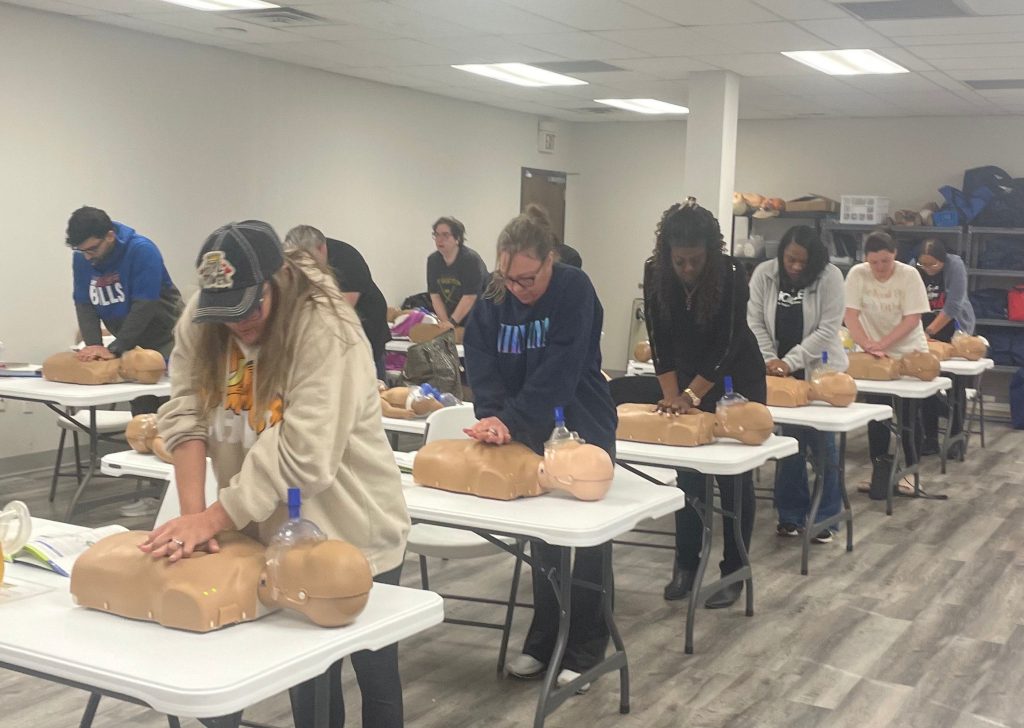
Providing high-quality CPR requires mastery of several key techniques. Proper compression mechanics involve placing the heel of one hand on the center of the chest, interlocking the other hand, and using your body weight to compress rather than relying solely on arm strength. Ventilation coordination, when breaths are included, should be delivered smoothly and quickly, ideally without interrupting compressions for more than 10 seconds. Team dynamics also play a vital role; trained teams can rotate providers and coordinate compressions and ventilations seamlessly, maintaining optimal compression fraction and reducing fatigue.
When Should Rescuers Switch Positions During High-Quality CPR?
Rescuers should switch positions approximately every two minutes or sooner if signs of fatigue appear. Fatigue can lead to shallower compressions, slower rates, and decreased chest recoil—all of which compromise circulation. Seamless switching techniques, such as designating a backup rescuer and performing brief, well-coordinated handoffs, help maintain continuous compressions. Training emphasizes the importance of clear communication during these transitions to prevent unnecessary pauses and maintain consistent quality.
When Do Rescuers Typically Pause Compressions During High-Quality CPR?
Despite the emphasis on continuity, there are certain scenarios when pausing compressions is appropriate and necessary. Standard pause situations include rhythm analysis by an AED, delivery of a shock, checking for a pulse if a return of spontaneous circulation is suspected, or performing advanced airway placement. Each of these interventions is time-sensitive, and skilled rescuers aim to minimize the pause to just a few seconds, often using verbal cues and practice drills to maintain efficiency. Special considerations may also arise, such as moving a patient to a safer location or adjusting for medical equipment, but these pauses should always be brief and deliberate.
Minimizing unnecessary pauses is as important as knowing when a pause is required. Common errors include stopping compressions too early, providing prolonged rescue breaths, or hesitating while switching rescuers. Training programs emphasize recognizing these pitfalls and practicing techniques to avoid them, such as continuous chest compressions during bag-mask ventilation in two-rescuer scenarios or using AEDs that provide automated prompts to reduce downtime. Attention to these details ensures that the patient receives the maximum benefit from every compression.
High-quality CPR is both a science and a skill that improves with practice. By understanding the principles of proper compression mechanics, team coordination, and when pauses are legally and medically justified, rescuers can act decisively during cardiac emergencies. Ongoing training and repetition build confidence, reduce hesitation, and ultimately save lives. Using the techniques outlined in this guide, both healthcare providers and trained lay rescuers can deliver CPR that maximizes patient survival and neurological outcomes.
FAQs About When Rescuers Can Pause Compressions During High-Quality CPR
- How long can compressions be paused during high-quality CPR?
Compressions should be paused for no more than 10 seconds at a time. This brief interruption minimizes the loss of critical blood flow to the brain and heart. Research shows that even short pauses can significantly impact survival rates, so rescuers must work efficiently during these interruptions—whether for rhythm checks, ventilations, or defibrillation.
- What are the only acceptable reasons to pause chest compressions?
Compressions should only be paused for essential interventions: analyzing the heart rhythm with an AED or manual defibrillator, delivering a shock, switching rescuers to prevent fatigue (which should take less than 5 seconds), giving rescue breaths if an advanced airway is not in place, and checking for return of spontaneous circulation when there are clear signs of life. Outside these critical moments, compressions should continue uninterrupted.
- Can you pause compressions to move the patient?
Ideally, no. High-quality CPR should continue during patient movement whenever possible. If the patient must be moved (such as down stairs or onto a stretcher), try to continue compressions during transport or keep any pause under 10 seconds. Some EMS systems use mechanical CPR devices to maintain continuous compressions during patient movement, ensuring minimal interruption to blood flow.
Conclusion and Call to Action
Understanding when to pause compressions during high-quality CPR can mean the difference between life and death. The key principle is simple: minimize interruptions, keep pauses under 10 seconds, and only stop for essential interventions. Every second of continuous chest compressions matters in maintaining vital blood flow to the patient’s organs.
Ready to master these life-saving skills with confidence? CPR Louisville, an American Heart Association training site, offers comprehensive, hands-on training in a stress-free environment. Whether you need CPR certification in Louisville or are looking for BLS classes in Louisville, we provide initial certifications and renewals in BLS for Healthcare Providers, ACLS, PALS, and CPR and First Aid courses.
Don’t wait until an emergency happens—get certified today and be prepared to save a life tomorrow. Visit CPR Louisville to enroll in your certification course and join the community of trained life-savers making a difference in Louisville and beyond.