Cardiopulmonary resuscitation (CPR) is one of the most valuable skills a person can learn. It can mean the difference between life and death in a cardiac emergency. Understanding how certification works helps you stay prepared and compliant.
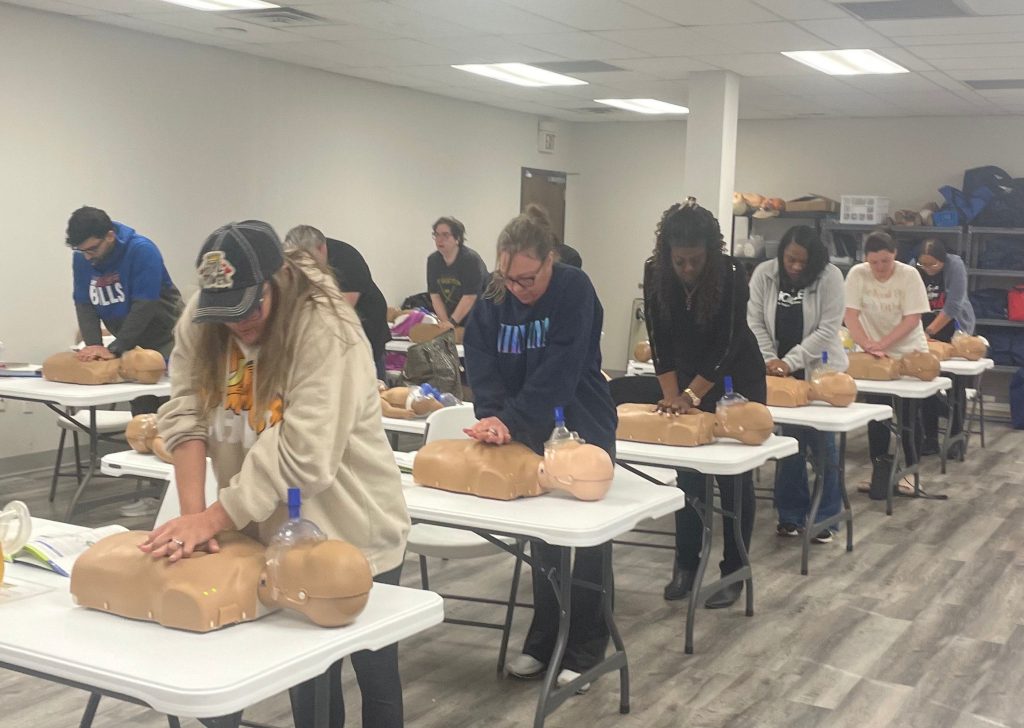
What is CPR Certification?
CPR certification is formal recognition that a person has been trained in emergency resuscitation techniques. It is issued after completing an approved course and passing a skills evaluation. Certification confirms that you can respond effectively during a cardiac or breathing emergency.
Certified individuals are trained to perform chest compressions, deliver rescue breaths, and use an automated external defibrillator (AED). These skills are required in many healthcare, childcare, and public safety roles. Employers and licensing boards commonly request proof of active certification.
Types of CPR Certifications
Not all CPR certifications are the same. Different courses are designed for different audiences and professional needs. Choosing the right certification matters for both compliance and competence.
The most common types include:
- Basic Life Support (BLS) — Designed for healthcare professionals such as nurses, doctors, and emergency responders
- Advanced Cardiovascular Life Support (ACLS) — Intended for clinical staff managing cardiac arrest and complex emergencies
- Pediatric Advanced Life Support (PALS) — Focused on emergencies involving infants and children
- Heartsaver CPR/AED — Built for laypeople, teachers, coaches, and workplace responders
- Infant CPR — Covers techniques specific to newborns and young infants
Each course covers different skill levels and emergency scenarios. Your role and workplace requirements will guide which certification is most appropriate.
American Heart Association Standard
The American Heart Association (AHA) is widely recognized as the leading authority on CPR training standards in the United States. Its guidelines are updated regularly based on the latest cardiovascular science. Most healthcare employers and licensing bodies accept AHA certification as the gold standard.
The AHA publishes updated CPR and emergency cardiovascular care guidelines every five years. These updates reflect new research on compression depth, rate, and rescue breathing techniques. Staying aligned with current AHA standards is essential for effective emergency response.
The American Red Cross is another widely accepted certifying body. Both organizations deliver high-quality training and are recognized across most industries. Confirm with your employer which provider meets their specific compliance requirements.
How Long Is CPR Certification Good For?
CPR certification is typically valid for two years from the date it is issued. This applies to most AHA and Red Cross certifications, including BLS, ACLS, PALS, and Heartsaver. After two years, the certification expires and must be renewed.
Some specialty certifications may carry different validity periods. First aid add-ons or pediatric-specific courses can vary by provider. Always check the expiration date printed on your certification card.
The two-year standard exists for good reason. CPR guidelines are updated periodically, and rescuer skills tend to decline without practice. Regular recertification ensures that trained individuals remain both current and competent.
When Should You Renew Your CPR Certification?
Renewal should be completed before your certification expires. Many employers require an active, unexpired card at all times. Letting certification lapse — even briefly — can create compliance issues in regulated industries.
It is recommended to begin the renewal process 30 to 60 days before expiration. This window allows time to schedule a class, complete the training, and receive updated documentation. Waiting until the last minute increases the risk of a gap in coverage.
Healthcare workers, educators, and first responders are often held to strict renewal timelines. Regulatory bodies such as the Joint Commission and state licensing boards monitor certification compliance. Staying ahead of expiration protects both your professional standing and your patients.
How to Pass a CPR Certification
CPR courses combine classroom instruction with hands-on skills practice. Most courses are completed in a single day, with some options available in blended or online formats. Passing requires demonstrating competency in both written knowledge and physical technique.
To pass successfully, keep these key points in mind:
- Compression rate — Perform 100 to 120 compressions per minute
- Compression depth — Push at least 2 inches deep for adults
- Full chest recoil — Allow the chest to rise completely between compressions
- Rescue breaths — Deliver breaths over one second, watching for chest rise
- AED use — Demonstrate correct pad placement and device operation
- Minimize interruptions — Keep pauses in compressions under 10 seconds
Instructors evaluate your technique during skills stations. Practice on mannequins is provided throughout the course. Arriving rested, focused, and ready to participate improves your chances of passing on the first attempt.
How Much Is CPR Certification?
Certification costs vary based on the course level and training provider. General pricing guidelines are as follows:
- BLS — Approximately $80
- ACLS / PALS — Approximately $200 to $300
- Heartsaver CPR/AED — Approximately $75 to $100
- Course materials and textbooks — Approximately $30 to $75, depending on format
Some employers cover the cost of certification as part of onboarding or continuing education. Community organizations and hospitals occasionally offer free or subsidized training. It is worth checking with your employer or local health department before paying out of pocket.
CPR Certification Renewal Process
Renewal courses are shorter than initial certification classes. They are designed to refresh existing knowledge rather than teach everything from scratch. Most renewal sessions can be completed in a few hours.
The renewal process typically includes:
- Skills review — Hands-on practice with mannequins and AED trainers
- Updated content — Any changes to current AHA or Red Cross guidelines are covered
- Written assessment — A short exam to confirm knowledge retention
- New certification card — Issued upon successful completion
Blended learning options are widely available. These combine an online knowledge portion with a brief in-person skills check. This format offers flexibility while still meeting official hands-on requirements.
It is important to note that online-only courses do not meet AHA certification standards for most clinical and professional settings. A hands-on skills component is required for certification to be considered valid by most employers. Verify format requirements with your employer before enrolling.
Maintaining Your CPR Skills Between Certifications
Certification alone does not guarantee readiness. Skills degrade over time without regular practice. Studies have shown that CPR performance can decline significantly within months of completing a course.
Several strategies help maintain skill retention between renewals:
- Practice on mannequins — Many hospitals and community centers offer open skills labs
- Use CPR feedback apps — Mobile tools simulate compression feedback and timing
- Review AHA guidelines — Periodically revisiting written materials reinforces key concepts
- Participate in drills — Workplace emergency drills keep response instincts sharp
- Watch instructional videos — Short refresher content keeps techniques top of mind
The American Heart Association recommends that trained individuals engage in regular skill reinforcement. Even 15 to 20 minutes of practice every few months can significantly improve performance under pressure. Staying mentally and physically prepared is a professional responsibility.
FAQs: How Long Does CPR Certification Last?
Q1: How long is CPR certification valid? CPR certification lasts 2 years after you complete your training. This applies to most certifications issued through organizations like the American Heart Association. Once your certification is approaching its expiration date, a renewal course will keep your skills and credentials current.
Q2: What happens if my CPR certification expires? If no more than 30 days have passed since your expiration date, you can still enroll in a renewal course. However, if more than 30 days have passed, it is no longer considered recertification, and you will need to complete a full CPR course. It’s always best to renew before your card expires to avoid starting over.
Q3: Can my CPR skills fade before my certification expires? Yes — and sooner than most people expect. According to the American Red Cross Scientific Advisory Council, CPR skill retention declines within a few months of initial training, and less than half of course participants can pass a skills test one year after training.
Conclusion & Call to Action
Staying current with your CPR certification isn’t just a box to check — it’s a commitment to being ready when it matters most. Since certifications typically expire after two years, a refresher course is needed to keep your skills sharp and your certification active. Whether you’re renewing for work requirements or personal preparedness, don’t wait until the last minute.
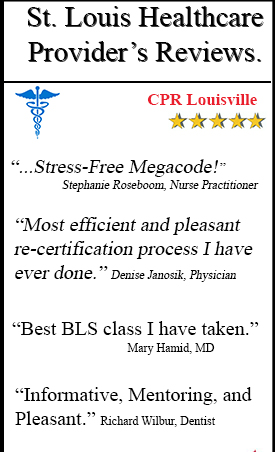
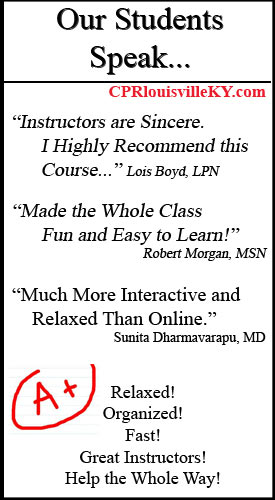
CPR Louisville is an American Heart Association training site offering stress-free, hands-on classes for healthcare providers and the general public. If your card is expiring soon — or already has — now is the time to act.
Schedule your CPR renewal in Louisville today or register for a BLS class in Louisville and walk away confident, certified, and ready to save a life. Spots fill fast — secure yours now at CPR Louisville.